World COPD Day falls on Wednesday, November 18, and this year's observance comes with a Spanish statistic that specialists describe as a cause for concern: 12% of the country's population aged over 40 has chronic obstructive pulmonary disease, according to the EPISCAN II study cited by Pamplona Actual. The disease, an umbrella term for conditions that make breathing progressively harder, is also being diagnosed in increasingly younger people, the outlet reports.
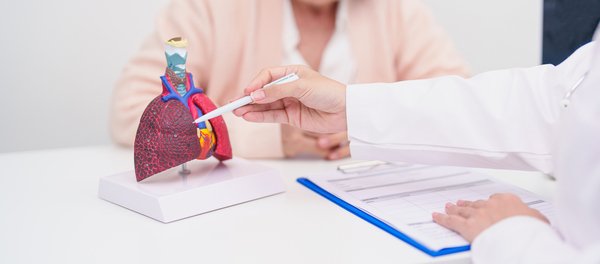
COPD most commonly takes the form of chronic bronchitis or emphysema, and Pamplona Actual notes that most patients have some degree of both. In chronic bronchitis, the inner lining of the bronchial tubes becomes inflamed. Emphysema damages or destroys the alveoli — the small sacs at the ends of the bronchial branches where inhaled air meets the bloodstream and oxygen is exchanged for carbon dioxide.
Why it matters
Pamplona Actual describes COPD as one of the most underdiagnosed respiratory conditions in Spain, despite how widespread it is. That gap matters because the disease cannot be cured, but its progress can be slowed — and the earlier that happens, the better the outcome.
Julio Maset, a doctor with the pharmaceutical company Cinfa, told the outlet that without treatment the condition worsens, symptoms intensify and damage to the bronchi and lungs accumulates. He said COPD is frequently identified only once it has reached an advanced stage, which rules out the early management that could have kept it from deteriorating. Over time, patients may also develop heart problems, pneumonia and other respiratory infections, malnutrition, sleep disorders and depression, according to the report.
Smoking remains the leading cause, and the profile of patients is shifting
Maset identified tobacco smoke as the main driver of COPD, affecting both people who smoke and those exposed to secondhand smoke. He added that prolonged exposure to air pollution or to other irritants in the air, such as dust and chemical products, can also trigger the disease.
Pamplona Actual reports that men are more commonly affected than women, but that cases among women are climbing as tobacco use among them has grown. The outlet also points to a broader trend of the disease appearing in younger age groups.
The symptoms are easy to dismiss at first, which helps explain the low diagnosis rate. Patients typically experience breathlessness that gets worse with exertion, a cough that produces phlegm, wheezing and noisy breathing, tiredness and low energy, and a greater susceptibility to acute respiratory infections. Because these signs tend to be mild in the early stages, those affected often pay them little attention or do not realise they may have COPD, according to the report.
A simple test, and one measure that matters most
Maset said a diagnosis can be reached through a test as straightforward as spirometry, which measures how well the lungs work and allows treatment to begin that eases symptoms and slows the disease's advance. Medication usually involves bronchodilators, which relax tightened airways and reduce coughing and breathlessness, along with inhaled corticosteroids. The report also stresses the importance of staying up to date with vaccines that lower the risk of respiratory infections such as flu, pneumonia and COVID-19.
Even so, Maset was emphatic about priorities: in his words, the single most important step a person can take to prevent COPD or stop it progressing is to quit smoking. Doing so, he said, gives the lungs a chance, helps patients avoid drastic measures such as relying on oxygen cylinders, and allows them to maintain a good quality of life.
Cinfa published the guidance through CinfaSalud, its health education project, which shares information on conditions and prevention on its website and across its social media channels.
Watch for whether Spanish health authorities use World COPD Day to push spirometry testing in primary care, where underdiagnosis is most likely to be corrected.